
AI assistants now answer many questions directly, and they cite only a handful of sources when they do. When Google shows an AI Overview, click-through rate on the top results page falls by 34.5 percent on average, according to Ahrefs. That drop means visibility now depends on being named inside the answer itself, which is exactly what generative engine optimization targets. This guide explains how generative engine optimization works and how to optimize for AI search with tactics that have real support.
What Is GEO? Generative Engine Optimization Explained

Generative engine optimization (GEO) is the practice of structuring your content and brand presence so that AI systems such as ChatGPT, Perplexity, Gemini, and Google AI Overviews cite or mention you in their answers.
The same discipline is also called AI search optimization, answer engine optimization (AEO), and LLM optimization. The labels differ, but the goal is the same, which is to become a source that AI systems trust enough to quote.
That does not mean you are writing for robots. The best GEO content still has to be useful to people. It simply needs to be clear enough that an AI system can find the relevant passage, understand it, and decide it is worth citing.
GEO vs SEO: What Is the Difference?
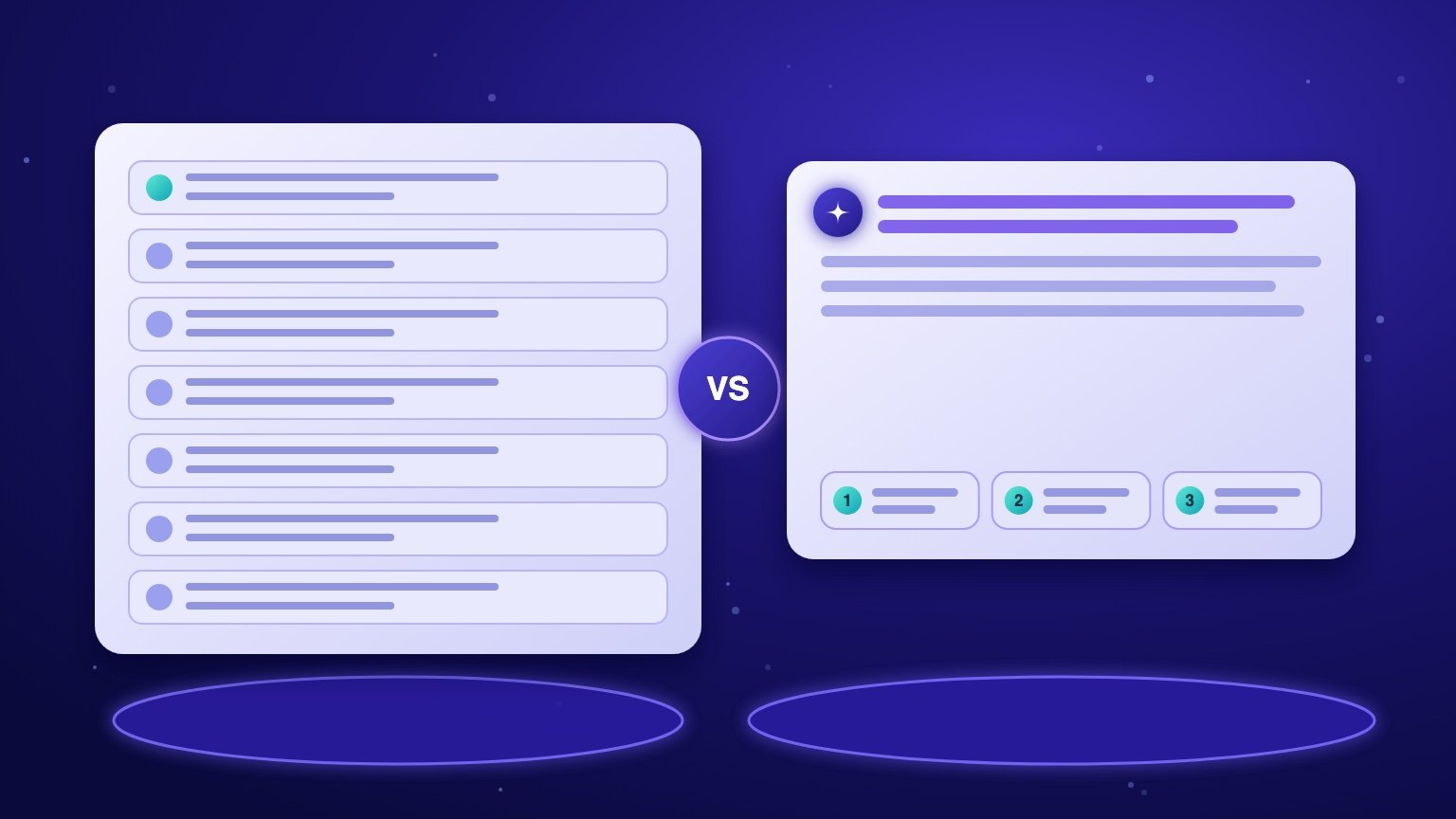
SEO earns a ranking in a list of links, whereas GEO earns a citation or mention inside a generated answer. The table below summarizes the main differences.
| Factor | SEO | GEO |
|---|---|---|
| Goal | Rank higher in search results | Be cited or mentioned in AI answers |
| Query style | Short keywords | Longer conversational prompts |
| Content unit | Whole page | Individual passage |
| Key signals | Backlinks, keywords, crawlability | Direct answers, brand mentions, freshness |
| Main metrics | Rankings and organic traffic | Mentions, citations and share of voice |
GEO in SEO: How Do the Two Work Together?
GEO in SEO works best as an extension of existing work, because AI engines retrieve information from the same open web that search engines crawl. Three shared foundations explain why:
- Crawlable pages remain the entry requirement for both channels.
- Credible backlinks and brand mentions build the authority that both channels reward.
- Accurate, well-organized content serves human readers and AI systems alike.
The GEO vs SEO debate often overlooks this overlap, so most teams should add GEO tasks to their SEO plan instead of building a separate program.
In practice, that means improving the basics rather than chasing a new tactic every week. Clear headings, useful internal links, fast loading speed, accurate facts, and strong topical coverage help readers and AI systems understand what your site knows.
How Do AI Search Engines Choose Which Sources to Cite?

AI engines choose sources through two routes, which are training data learned before release and live retrieval of web pages at the moment of a question. Each route has a different practical meaning:
- Training data cannot be changed quickly, so it favors brands that were widely and consistently described across the web.
- Live retrieval can reflect new or updated pages within days, so most practical GEO work targets this route.
During retrieval, one prompt is often split into several smaller searches, a step known as query fan-out. The engine then selects individual passages rather than whole pages, which gives an advantage to any page that opens each section with a direct answer.
How to Optimize for AI Search: Strategies That Work
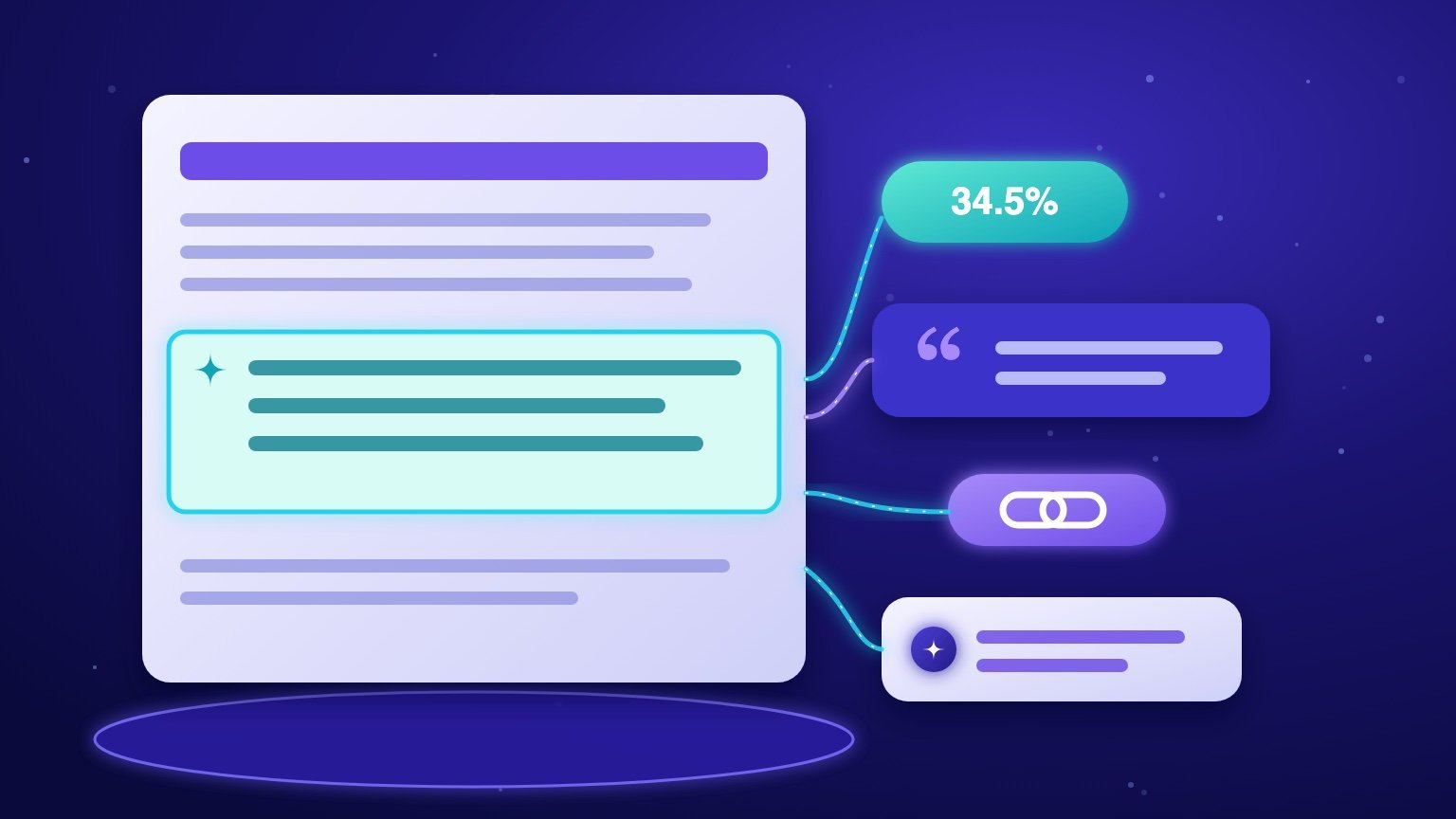
Knowing how to optimize for AI search starts with separating tested tactics from assumptions. The table groups the main tactics by strength of evidence.
| Evidence level | Tactic | What supports it |
|---|---|---|
| Tested | Citations, quotations, and statistics | A 2023 study of 10,000 queries found 30 to 40 percent higher visibility |
| Logical | Direct answers and fresh content | Both fit how passage-level retrieval works |
| Observed | Unlinked brand mentions, Reddit, YouTube and Wikipedia | Semrush reports that these appear to influence AI answers |
| Unproven | llms.txt files | Little public evidence shows that major engines rely on them |
The 2023 study came from researchers at Princeton, Georgia Tech, the Allen Institute for AI and IIT Delhi, and it has drawn criticism over its methodology, so treat its figures as a starting point. Taken together, these tiers give AI search optimization a clear order of priority.
Start with substance. Add a statistic only when it supports the point. Quote an expert only when their experience adds something useful. Cite a source because it strengthens the answer, not because it might help you get picked up by an AI system.
GEO for ChatGPT, Perplexity, Gemini and Google AI Overviews

Each platform retrieves sources differently, so one checklist does not fit all of them. The table shows where to focus on each.
| Platform | How it finds sources | Where to focus |
|---|---|---|
| Perplexity | Searches the live web and shows numbered citations by default | Use it as the fastest place to test changes |
| ChatGPT | Answers from memory or runs a web search, and cites sources only when it searches | Allow OpenAI crawlers and publish citable passages |
| Google AI Overviews and Gemini | Draw largely on Google’s own index | Keep standard Google crawling and indexing healthy |
Technical GEO: How Can AI Crawlers Access Your Site?
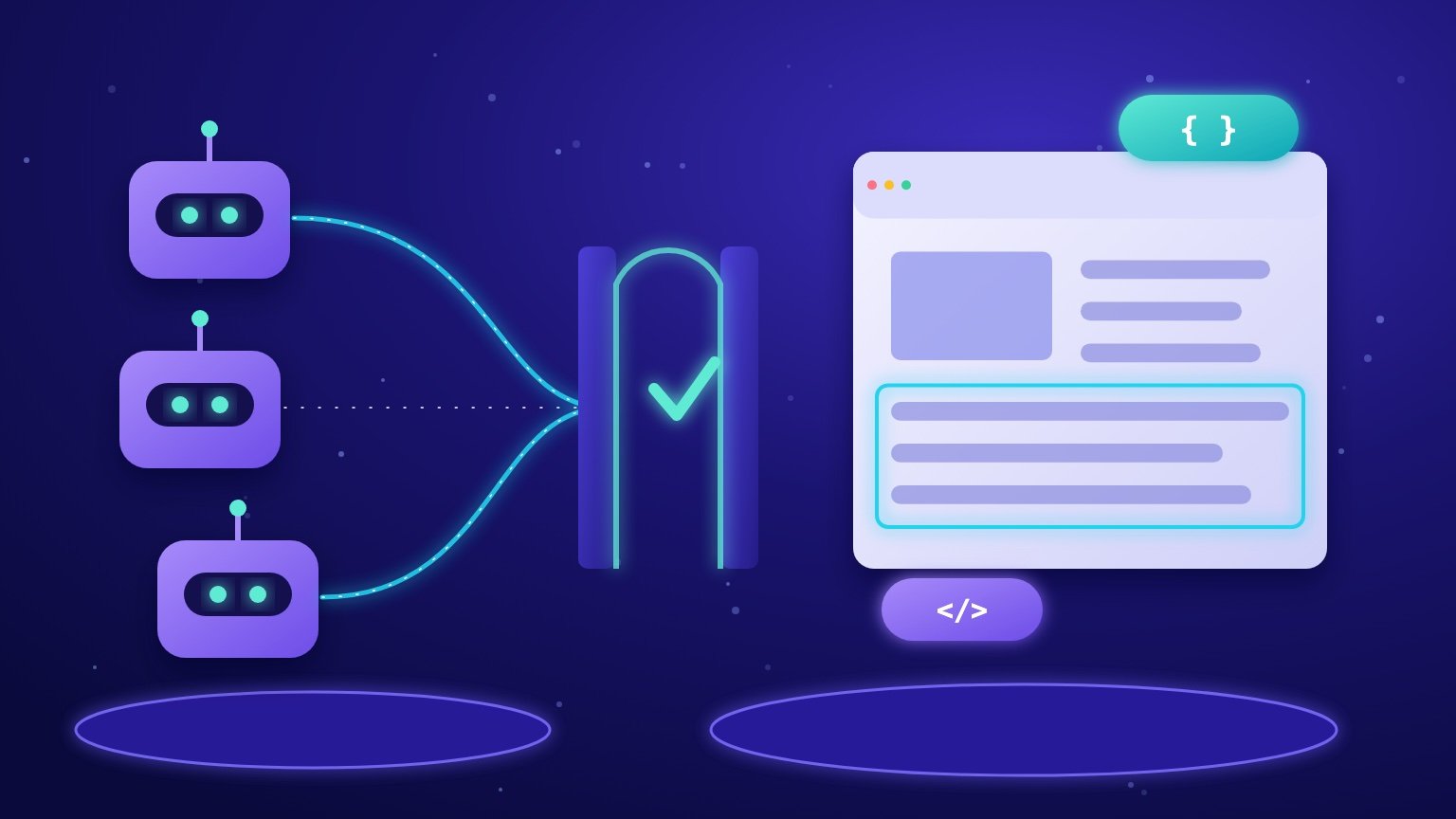
AI crawlers can cite only the pages they can reach, so crawler access is the first technical check. Three actions cover most problems:
- Allow GPTBot and OAI-SearchBot from OpenAI, ClaudeBot from Anthropic, and PerplexityBot from Perplexity in robots.txt.
- Check your content delivery network and firewall, because they can block these bots even when robots.txt allows them.
- Serve key content in server-rendered HTML, since AI crawlers appear to struggle with pages that depend heavily on JavaScript.
A few additional checks are worth making:
- Use one clear H1 per page, followed by logical H2 and H3 headings.
- Keep URLs clean and canonical.
- Add structured data where it accurately describes the page, such as Organization, Article, FAQPage, Product, or HowTo.
- Include accurate publication and update dates.
- Make sure important pages are indexed and free of technical errors.
Schema will not guarantee a citation. But it can help search engines and AI systems understand the page more accurately, especially when the content itself is clear and well organized.
How to Structure Content for AI Answers
AI systems often pull one useful passage rather than quoting an entire article. That makes structure important.
Put the answer first. Then explain it.
Use descriptive headings that match the questions people ask. Break long explanations into short paragraphs. Add tables where a reader needs to compare options, and make each important point understandable without forcing someone to read the entire page.
Build Brand Signals Beyond Your Website
AI answers do not rely only on your website. They may draw on reviews, industry publications, directories, videos, forums, and other sources that describe your business.
To strengthen those signals:
- Keep your company name, product descriptions, leadership details, and positioning consistent across the web.
- Maintain accurate profiles on relevant review sites, directories, and business databases.
- Earn mentions through digital PR, expert commentary, partnerships, and industry publications.
- Monitor how third-party sites describe your company and correct factual errors.
- Participate genuinely in relevant communities, such as Reddit or industry forums.
- Publish useful videos, interviews, or webinars where they support your expertise.
How to Measure GEO Performance and AI Visibility
GEO results cannot be read from a rankings report, so measurement needs a tracked prompt set. Follow these steps:
- Build a list of 25 to 50 prompts that real buyers would use.
- Run each prompt several times on each platform, because AI answers vary between runs.
- Record whether your brand is mentioned, whether a page is cited and which competitors appear.
- Calculate mention rate, citation rate and share of voice from those records.
- Create a Google Analytics 4 segment for referrals from AI domains.
How to Fix Wrong Brand Information in AI Answers
AI systems sometimes describe a brand inaccurately because they rely on an outdated or low-quality source. To correct this, identify the page behind the answer, update your own pages with plain and quotable facts, and ask third-party site owners to fix theirs.
GEO Checklist: What to Do in the First 30 Days
Use this schedule:
- In week one, audit crawler access, including firewall rules.
- In week two, build the prompt list and record baseline results.
- In week three, rewrite five priority pages so that each section opens with a direct answer backed by a statistic or cited source.
- In week four, earn mentions on relevant third-party sites and run the prompt set again.
Teams that already follow a structured SEO routine will find that GEO in SEO planning adds little overhead.
Conclusion
GEO is not a passing trend or a replacement for SEO. It is the next layer of visibility, one that decides whether your brand shows up when people ask AI assistants for answers, recommendations, and comparisons.
That said, GEO takes time, testing, and a clear strategy. You need to know which prompts matter, which platforms your audience uses, and whether AI systems are describing your brand accurately. Without that visibility, you are optimizing in the dark. If you want your business to be part of the answers people are reading, not just another link they scroll past; get in touch with us. We’ll help you build a GEO strategy that puts your brand in front of the right audience at the right moment.
FAQs
What is GEO?
GEO is the practice of earning citations and mentions in AI-generated answers from tools such as ChatGPT, Perplexity, and Google AI Overviews.
Does GEO replace SEO?
No. GEO builds on SEO, and both depend on accessible, accurate and well-organized content.
How is AEO different from GEO?
AEO targets quick, answer-style results such as AI Overviews, while GEO covers mentions across every generative platform.
Can you track traffic from AI search?
Yes. A GA4 segment for AI referrals shows direct visits, although many AI answers influence buyers without sending a click.