
Direct answer box: AI visibility tools help businesses to track how often their brands appear in AI-generated answers across platforms like ChatGPT, Perplexity and Google AI Mode. They monitor brand mentions, citations, competitor visibility and sentiment. Before selecting a tool, compare options such as Peec, Writesonic, Profound, Semrush One and Ahrefs Brand Radar based on your budget, AI platform coverage, tracking limits and reporting requirements.
Introduction
AI visibility refers to how often a brand appears, gets mentioned, or is recommended in answers generated by platforms such as ChatGPT, Perplexity and Google AI Mode. Unlike traditional search, where websites compete for ranking positions, AI search brings information from different sources together and presents it as a single answer. This shift makes tracking brand mentions, citations and recommendations increasingly important. The best AI visibility tools help businesses understand where they appear, how competitors perform, and which content opportunities they may be missing. This blog explores the importance of AI visibility, how it differs from traditional SEO, the top AI Visibility Tools available, and the factors to consider before choosing one.
In this blog, you'll learn :
- What AI visibility means
- Why businesses need to monitor AI-generated answers
- How AI search visibility differs from traditional SEO
- Which tools help track brand mentions and citations
- What to consider before selecting an AI visibility platform
What Is AI Visibility?
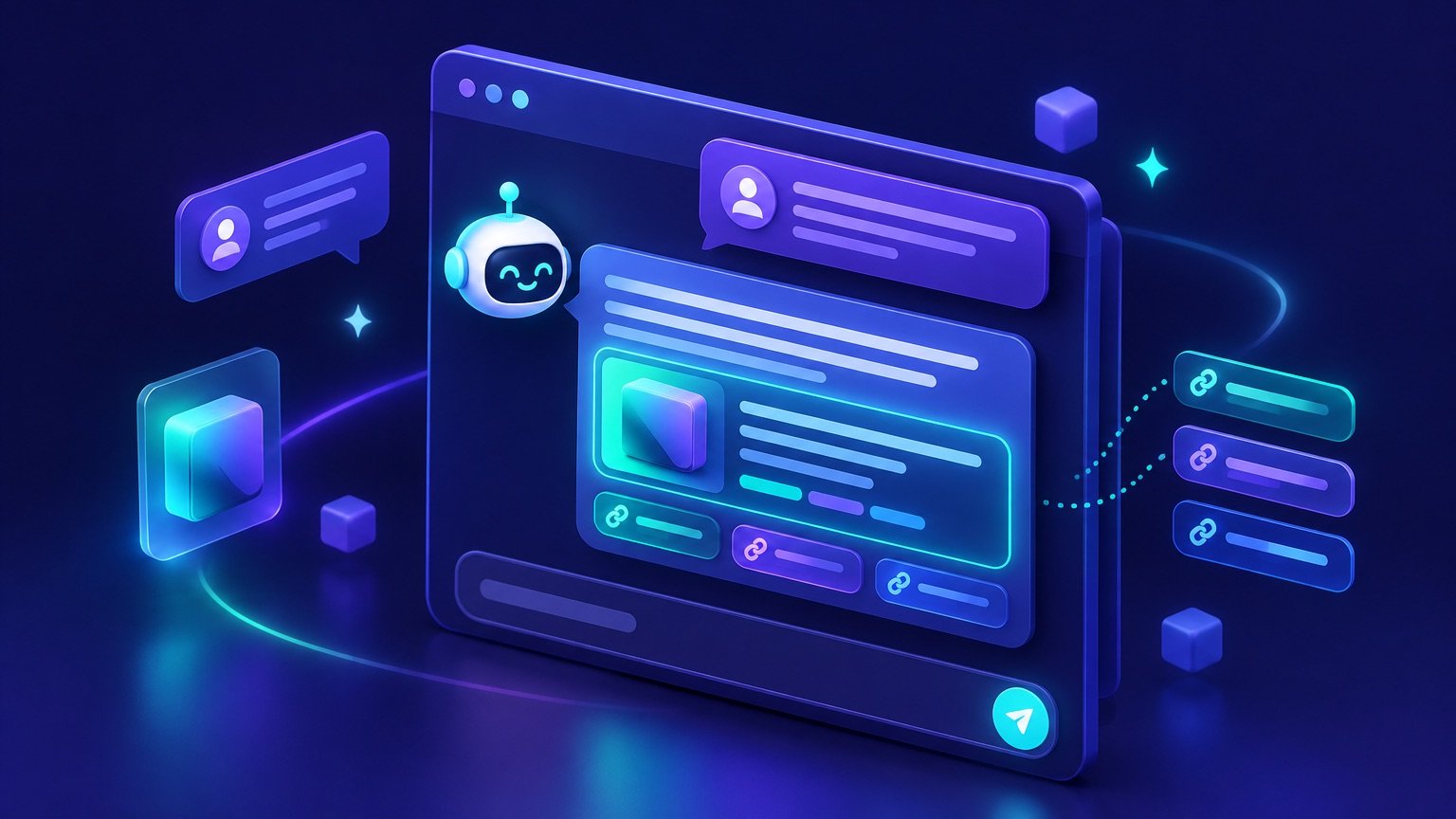
AI visibility is the frequency with which a brand, website or business appears in AI-generated answers. It includes brand mentions, citations and recommendations across platforms such as ChatGPT, Perplexity, Google AI Mode & other AI search experiences.
For example : Consider someone looking for the best platforms to build an online store. Instead of showing a list of websites, an AI platform may provide a direct comparison of Shopify, WooCommerce, Wix, BigCommerce and Squarespace. It may explain what each platform provides and where it stands compared with the others.
In this situation, every brand mentioned in the response receives visibility. A brand that does not appear in the answer misses that particular opportunity to reach the user. This is what makes AI visibility different from simply ranking a webpage on Google.
What Does AI Visibility Measure?
AI visibility tools help businesses monitor different aspects of their presence across AI platforms. These measurements offer a clearer picture of how a brand is represented.
Some important areas include :-
- Brand mentions: How frequently an AI platform mentions a particular brand in its answers.
- Citations: Whether AI-generated responses refer to the brand's website or content as a source.
- Share of voice: How a brand's visibility compares with that of its competitors.
- Sentiment: Whether the brand is described positively, negatively, or neutrally.
- Citation sources: Which websites & pages AI platforms use while preparing their answers.
- Competitor visibility: How often competing businesses appear for similar searches.
These measurements help businesses understand more than just whether their brand name appears. They also show where the brand is getting visibility and where there may be room for improvement.
For instance: A company may receive frequent mentions on one AI platform but very few citations on another. This difference can help its marketing team decide where to focus its next efforts.
Why Do AI Visibility Tools Matter?

AI visibility tools matter because users are increasingly receiving information directly from AI platforms instead of visiting several websites to find an answer. Traditional search engine traffic is changing. Gartner predicted that traditional search engine volume would drop by 25% by 2026 because of the growing use of AI chatbots and virtual agents.
This change is closely connected to the zero-click phenomenon. Users can find answers directly on search result pages or AI platforms without necessarily clicking through to the websites that provide the information.
For brands this creates a new measurement challenge. A website may not receive a visit every time its information appears in an AI-generated response. However, the brand may still receive exposure through that answer. Traditional website analytics alone cannot fully explain this activity.
AI visibility tools help businesses understand this missing part of their online presence.
How Does AI Visibility Differ from Traditional SEO Visibility?
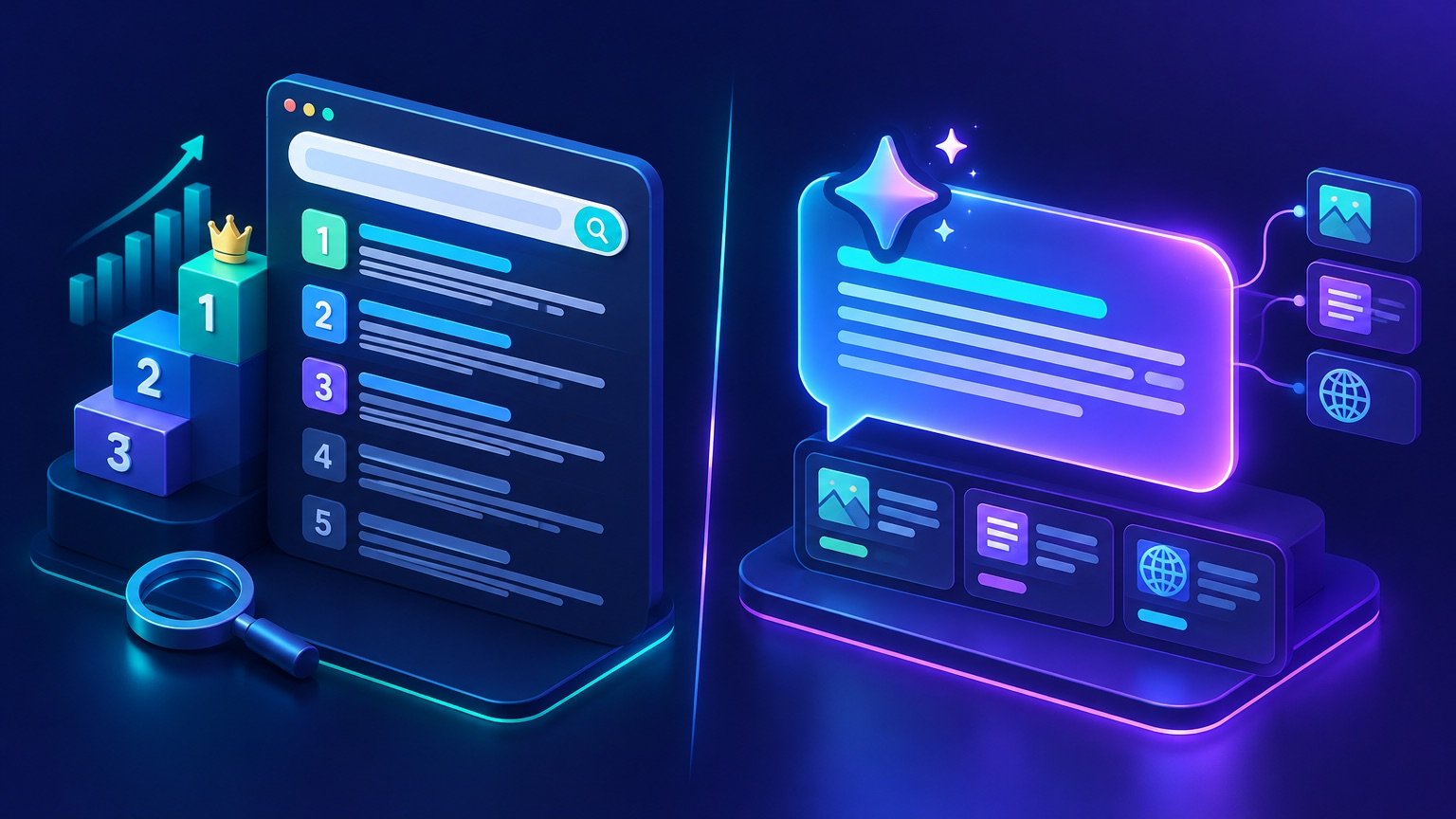
AI visibility and traditional SEO visibility have different measurement methods. Traditional SEO focuses on how well a webpage ranks in search engine results. AI visibility focuses on whether an AI platform mentions or cites a brand while generating an answer.
In traditional search a website competes for positions on the search results page. In AI search, the platform collects and combines information from different sources to create a response.
This difference changes how businesses measure their online presence
Traditional SEO vs AI Visibility
| Comparison factor | Traditional SEO Visibility | AI Visibility |
|---|---|---|
| Primary measurement | Search ranking positions | Brand mentions & citations |
| User activity | Users click website links | Users read AI generated answers |
| Content focus | Optimised webpages | Content used in AI generated responses |
| Success measurement | Rankings, clicks and organic traffic | Citations, mentions and brand exposure |
| Competition | Positions on search result pages | Inclusion in AI-generated answers |
| Updates | Search engine algorithm changes | Model updates and real-time search |
| Traffic impact | Direct website visits | Brand awareness and indirect traffic |
| AI Visibility Tracking tools | Google Search Console, Ahrefs, Semrush | AI visibility platforms and manual monitoring |
What Are The Best AI Visibility Tools?
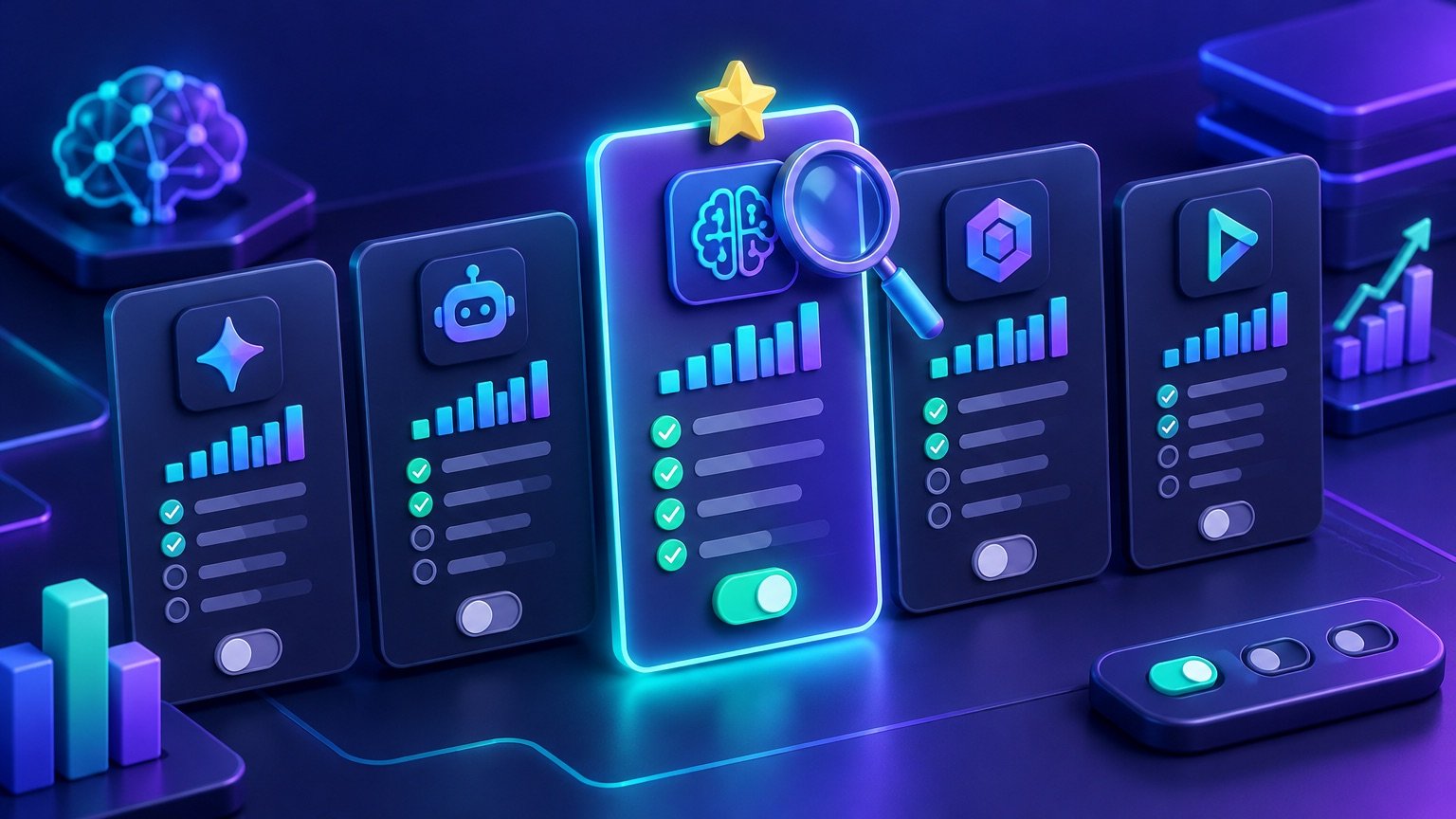
Choosing the right platform depends on what a business wants to measure. Some tools focus mainly on AI search tracking, while others combine visibility monitoring with content creation, SEO research and competitor analysis.
The following comparison covers five platforms: Peec, Writesonic, Profound, Semrush One, and Ahrefs Brand Radar.
1. Peec
Peec is a dedicated AI visibility tracking tool. It focuses on helping teams understand where their brands appear, which sources AI platforms cite and where content opportunities may exist.
Its interface follows a fairly direct workflow. Users can move from visibility measurements to AI-generated answers, source information, and suggested actions.
Key features:
- Custom prompts for tracking brand visibility.
- Visibility percentage and share of voice.
- Brand position and sentiment measurements.
- Citation and source analysis.
- Identification of content and source gaps.
- Action recommendations across plans.
Peec supports the selection of three AI engines, with options including ChatGPT, AI Overviews, AI Mode, Gemini, Perplexity, and Copilot. Its Enterprise offering advertises support for up to 13 model options, although some may be API-based.
For agencies, its credit pools and client project features can be useful. Brand plans also offer unlimited users.
Best suited for: Agencies and teams that need regular AI visibility tracking and reporting for clients.
2. Writesonic
Writesonic combines AI visibility tracking with content production features. This makes it an option for businesses that want to monitor their AI presence and work on content through the same platform.
Its workspace includes article creation, audits and agent-based workflows. Project Hub also helps teams manage multiple brands.
Key features :
- AI visibility tracking
- Citation share measurements
- Competitor market share analysis
- Sentiment tracking on Growth+
- Article creation
- Content audits
- Action Centre and agent workflows
Its standard engine coverage includes ChatGPT, Gemini and Google AI Overviews. Enterprise users can access a wider range of platforms, including Perplexity, Claude, Grok, Copilot, and AI Mode.
Best suited for: Businesses and marketing teams that want AI visibility tracking alongside content creation and optimisation features.
3. Profound
Profound focuses on enterprise-level AI visibility intelligence. It provides detailed metrics that can help larger organisations understand how their brands are seen across AI platforms.
Its feature set includes visibility, share of voice, sentiment, rankings, citation authority and factual error tracking.
Key features :-
- AI visibility monitoring
- Share of voice analysis
- Sentiment tracking
- Citation authority measurements
- Factual error identification
- Prompt volume information
- Content gap analysis
- Content optimisation agents
Profound provides features such as FactCheck and Prompt Volumes. These can help businesses to examine how their brands appear in AI answers and identify inaccurate claims or content opportunities.
Best suited for: Large businesses and enterprise teams that need detailed AI visibility analysis and brand monitoring.
4. Semrush One
Semrush One brings traditional SEO capabilities and AI visibility features together. This can be useful for businesses that already use Semrush for keyword research, website analysis, and other SEO activities. Instead of managing a completely separate platform, teams can explore AI visibility within their existing SEO workflow.
Key features :
- AI prompt research
- Brand mention tracking
- Citation and source monitoring
- Share of voice measurements
- Sentiment analysis
- Topic and prompt gap identification
- AI-readiness insights
- Existing SEO tools
Its daily tracking documentation lists ChatGPT, AI Mode, and Gemini. Other pages also include AI Overviews.
Best suited for: SEO teams and businesses that want traditional SEO & AI visibility features under one subscription.
5. Ahrefs Brand Radar
Ahrefs Brand Radar focuses on brand research, competitor discovery, and AI answer visibility.
It provides an existing AI answer index alongside custom tracking options. This gives SEO analysts an opportunity to examine how brands and competitors appear across AI generated responses.
Key features :-
- Brand mention tracking
- Citation analysis
- AI share of voice
- Estimated impressions
- Search demand measurements
- Competitor-only mentions
- Cited domain and page analysis
- Topic gap identification
Its standard AI engine coverage includes ChatGPT, AI Overviews, AI Mode, Gemini, Perplexity and Copilot.
Best suited for: SEO strategists and businesses that want to research competitors, brand mentions, and AI citation opportunities.
Quick Comparison of the Top AI Visibility Brand Tools
| Tool | Main purpose | Key strength | Important consideration | Price |
|---|---|---|---|---|
| Peec | Dedicated AI tracking | Focused visibility and source analysis | Additional engine usage may require more credits | Starting at $95/monthly |
| Writesonic | Tracking and content production | Content creation and AI visibility together | Project and answer limits | $79 billed annually |
| Profound | Enterprise intelligence | Detailed brand analysis and factual error tracking | Cost and learning requirements | Custom |
| Semrush One | SEO and AI tracking | Traditional SEO and AI visibility together | Module and report coverage differences | Starting at $199/monthly |
| Ahrefs Brand Radar | Research and competitor discovery | AI answer index and competitor analysis | Custom checks have separate usage requirements | Starting at $199/monthly (Single AI Index) |
Not every single platform suits every business. The right choice depends on the type of reporting required, the number of brands being monitored, the available budget and the team's ability to use the data.
How Has Search Shifted from "10 Blue Links" to AI-Generated Answers?

For a long time, search visibility was closely connected to Google's traditional search results. Websites competed for the top ten positions, and users generally visited the links that appeared most relevant. That experience is changing as AI-generated summaries become a larger part of search.
Google is bringing AI-generated answers into its search experience. At the same time, standalone platforms such as ChatGPT & Perplexity are changing how users find and compare information.
Standalone AI platforms are also gaining attention. Perplexity AI has reached 45 million monthly active users, while OpenAI has crossed $25 billion in annualised revenue. For businesses, this means that search visibility is no longer limited to traditional search engine results.
What the Zero-Click Trend Means for Businesses
The zero click phenomenon describes situations where users find the information they need without visiting another website.
AI summaries can contribute to this behaviour because they provide direct answers on the search results page.
The statistics highlight this change :-
- When Google displays an AI summary, only 8% of users click on regular search results below it.
- Without an AI summary, the click rate nearly doubles to 15%.
- Around 26% of searches showing AI summaries end without additional clicks.
- For searches showing only traditional results, this figure drops to 16%.
These differences show why businesses need to look beyond website visits when measuring online visibility.
A brand may be included in an AI generated response even when the user does not visit its website. This does not mean traditional SEO has become unnecessary. Search rankings, website content, and organic traffic continue to matter. However businesses also need to understand how their brands appear in AI answers.
Why Visibility Inside AI Answers Matters
Appearing as a source in an AI-generated answer can help a brand reach users during their research process. Research across more than 7,800 queries has also found a small but noticeable increase in click-through rates for websites that appear as sources inside AI Overviews.
Although the increase is modest, it highlights an important point : AI visibility can contribute to brand exposure and website discovery.
Businesses should therefore consider both traditional search performance and AI generated answer visibility while reviewing their marketing strategies.
How Do AI Engines Decide What to Cite?

AI platforms use different methods to collect and present information. Their citation patterns are not identical. However, certain common factors helps to explain why some sources are referenced more often than others.
Understanding these factors can help businesses review their existing content and identify areas that may need improvement : -
1. Source Authority and Reputation
A source’s credibility plays an important role in AI generated answers. Established websites with strong reputations, relevant backlinks and a history of publishing useful information may receive more citations. Sources ending in .gov and .edu, along with recognised publications, are also considered important sources of information.
For businesses this makes credibility a crucial part of content development. Useful content should be supported by reliable information rather than vague statements or unsupported claims.
2. Content Freshness
Outdated information may not always be suitable for a search query. AI platforms can favour recently published or updated information when several sources cover the same topic. For example: A 2024 study may be more relevant than a 2021 study if both discuss the same subject and the newer information reflects the latest findings.
Businesses should review their existing pages and update information when required. This is particularly important for topics where facts, statistics and industry developments change over time.
3. Factual Information and Statistics
Content that includes specific information, statistics and references to research can provide stronger support for its claims.
Compare two statements:
- AI search is becoming popular.
- Gartner predicted that traditional search engine volume would drop by 25% by 2026 because of increased AI chatbot and virtual agent usage.
The second statement provides a specific figure and an identifiable research source.
Adding relevant statistics and credible references can make content more informative and useful. However, statistics should always relate to the subject being discussed. Adding numbers without context does not automatically make an article more valuable.
4. Clear Content Structure
AI platforms need to identify relevant information within webpages. Content with clear headings, short sections, tables, and bullet points can make important details easier to understand and extract.
Some useful content formats include :-
- Direct answers at the beginning of a section
- Clearly defined subheadings
- Short and self-contained explanations
- Comparison tables
- Frequently asked questions
- Numbered steps and processes
For example : An article comparing five AI visibility platforms should explain each tool separately and provide a comparison table. This makes it easier for readers to understand the differences and helps organise the information in a clear format.
5. Author Expertise
Content credibility also depends on who creates it. Clear authorship, relevant author biographies, and professional credentials can help establish trust, especially for topics that affect financial or personal decisions.
Businesses should make sure their content reflects appropriate knowledge and expertise.
Content Formats That Can Support AI Citations
| Content format | How it helps |
|---|---|
| Answer-first sections | Provides a direct response to the main query |
| Self-contained sections | Makes individual explanations easier to understand |
| FAQs | Connects answers with common search questions |
| Comparison tables | Presents differences in an organised format |
| Step-by-step guides | Explains processes in a clear sequence |
| Statistics with sources | Supports factual statements with evidence |
How Different AI Platforms Present Citations
Different platforms have their own citation styles and content preferences.
| AI platform | Citation style | Content characteristics |
|---|---|---|
| ChatGPT | Inline citations with numbered references | Comprehensive, encyclopedia-style information |
| Perplexity | Direct source links and snippets | Practical explanations and real examples |
| Google AI Overviews | Links within summarised answers | Structured content and featured-snippet-style information |
| Claude | Referenced context from web search | Clear explanations and well-organised content |
| Gemini | Blended citations with Google Search | Google-indexed content and traditional SEO signals |
| Copilot | Bing-sourced citations | Bing rankings and timely information |
The common factor across these platforms is the importance of useful, well-organised, and trustworthy information.
Businesses should not assume that one content change will produce the same result across every AI platform. Each platform may select and present sources differently.
Common Mistakes When Choosing an AI Visibility Tool
Selecting an AI visibility platform involves more than comparing feature lists. A tool may look impressive but still fail to meet the actual requirements of a business.
The following mistakes can make the selection process difficult.
1. Confusing AI Overviews with Standalone AI Platforms
Google AI Overviews and standalone AI platforms are different search experiences. Monitoring Google's AI Overviews does not automatically provide information about brand visibility on ChatGPT, Perplexity, or Gemini. Businesses should check which platforms their selected tool actually monitors.
For example : A company that receives a large share of AI-assisted research through ChatGPT and Perplexity may need a platform that covers both rather than focusing only on Google's AI search features.
2. Choosing a Tool Only Because Its Dashboard Looks Impressive
A detailed dashboard may look useful during a product demonstration. However, that does not necessarily mean the platform will support the team's everyday work.
Businesses should understand how the information can be used after it has been collected.
Before purchasing, check:
- How easily can the team find brand mentions?
- Can users review the actual AI-generated answers?
- Does the platform identify citation sources?
- Are recommendations clear and useful?
- Can reports be shared with clients or internal teams?
A tool should support practical work rather than simply display large amounts of information.
3. Treating AI Visibility as a One-Time Activity
AI-generated responses can change over time. A brand that appears in an answer today may not appear in the same response next month. Changes in AI models, search information, and source selection can affect visibility.
A one-time audit only provides information about a particular point in time. Regular monitoring helps businesses identify changes and review whether their content efforts are making a difference.
4. Focusing Only on ChatGPT
ChatGPT is an important AI platform, but it is not the only place where users search for information. Perplexity is increasingly used for research-based decisions. Gemini is connected to Google's ecosystem, while Grok has a growing role in real-time and news-related searches. Businesses should not select a platform based only on its ability to monitor one AI engine. The right coverage depends on where their audience is likely to search.
5. Ignoring the Team That Will Use the Tool
AI visibility platforms are useful to several teams, including:
- SEO specialists.
- Content strategists.
- Brand managers.
- Digital marketing teams.
- Agency professionals.
However, a platform that requires advanced data analysis skills may not be suitable for a team that needs simple reporting.
The people who will use the tool regularly should be involved in the selection process.
How to Choose the Right AI Visibility Tool?

The right AI visibility tool depends on the business's goals, budget, technical requirements, and existing marketing setup. Before selecting a platform, businesses should evaluate the following factors.
1. Set a Clear Budget
Budget is one of the first things to consider. AI visibility platforms offer different features and pricing arrangements. Some focus on basic tracking, while others provide enterprise-level analysis and content optimisation.
For example : A small business may prefer an accessible platform that combines SEO and AI visibility features. A large organisation with multiple brands may need a more advanced solution.
The important thing is to choose a tool that matches the actual requirement rather than paying for features that the team may not use.
2. Match the Tool with Your Team's Technical Skills
Not every team needs advanced reporting, API access and custom data exports. Some platforms provide detailed analysis and customisation options. Others focus on simple dashboards and clear recommendations.
Consider the team's experience before making a decision. If the marketing team needs regular visibility reports, an easy to use platform may be more practical than one that requires extensive technical knowledge.
3. Consider Your Existing SEO Tools
Businesses that already use platforms such as Ubersuggest, Semrush, or Ahrefs may benefit from their AI visibility features.
This can help keep SEO and AI visibility activities within an existing workflow. On the other hand, businesses that want a dedicated AI tracking solution may prefer a specialised platform such as Peec. The choice depends on whether the main requirement is an integrated SEO solution or focused AI visibility monitoring.
4. Check Whether the Tool Can Scale
A platform that works well for one website may not be suitable for an agency managing 50 client accounts. Before selecting a subscription, understand its project limits, account restrictions, and additional costs.
Consider:
- Number of websites or brands supported
- Available client projects
- Number of users
- Prompt tracking limits
- AI engine coverage
- Credit requirements
- Additional domain charges
These details can make a considerable difference as the business grows.
5. Review Data Reliability
AI visibility is a developing area, and different platforms may provide different measurements.
A tool should provide enough information for businesses to understand how its data is collected and presented.
Before purchasing, consider requesting a demonstration and comparing results across platforms. It is also useful to check whether the platform provides access to actual AI-generated answers and their citation sources. This makes it easier to understand the information behind the reported visibility numbers.
6. Check AI Engine Coverage
Not every AI visibility tool tracks the same platforms. Some offer standard coverage across ChatGPT, Gemini, and Google AI Overviews. Others provide additional options such as Perplexity, Claude, Copilot, Grok, and DeepSeek.
A business should select coverage based on its tracking requirements. It is also important to check whether the listed AI engines are included in daily tracking, research reports, or enterprise-only plans.
7. Look at Recommendations and Actionable Insights
Tracking brand mentions is useful, but understanding what to do with the information is equally important. Some platforms identify content gaps, cited-source opportunities, competitor mentions, and inaccurate brand information.
These insights can help teams plan their next steps. For example : If a competitor's webpage is repeatedly cited for a topic while a business's own page is missing, the team can review the difference between the two pages.
The aim should be to use the findings to improve content quality and visibility rather than simply collect reports.
Which AI Visibility Tool Fits Different Business Requirements?
| Business requirement | Tool worth considering |
|---|---|
| Dedicated AI visibility tracking | Peec |
| AI tracking with content production | Writesonic |
| Enterprise-level brand intelligence | Profound |
| SEO and AI visibility in one platform | Semrush One |
| Competitor research and AI answer discovery | Ahrefs Brand Radar |
These suggestions are based on the feature differences and intended use cases. They are not a universal ranking of platform quality.
Ultimately, the best AI search visibility tool is the one that provides reliable information, fits the team's working style, and supports its actual marketing goals.
Conclusion
Online visibility is no longer limited to traditional search engine rankings. AI platforms are becoming another way for users to discover businesses, compare services, and find answers. This makes it important for brands to understand where they appear in AI-generated responses and which sources support those mentions.
The best AI visibility tools can help businesses monitor citations, track competitor activity, understand brand sentiment, and identify content gaps. However, selecting a platform is only one part of the process. Regular monitoring, useful content, factual information, and a clear understanding of audience search behaviour remain important.
For businesses working towards stronger digital visibility, combining traditional SEO with AI search monitoring can provide a more complete picture of their online presence. The focus should remain on creating trustworthy, relevant and useful information that serves the audience across different search experiences.